Recovery Exercises for Active Men
Discover effective recovery strategies designed specifically for active men. Stretching, yoga, and balance exercises to enhance your performance, reduce injury risk, and accelerate your body's natural recovery processes.
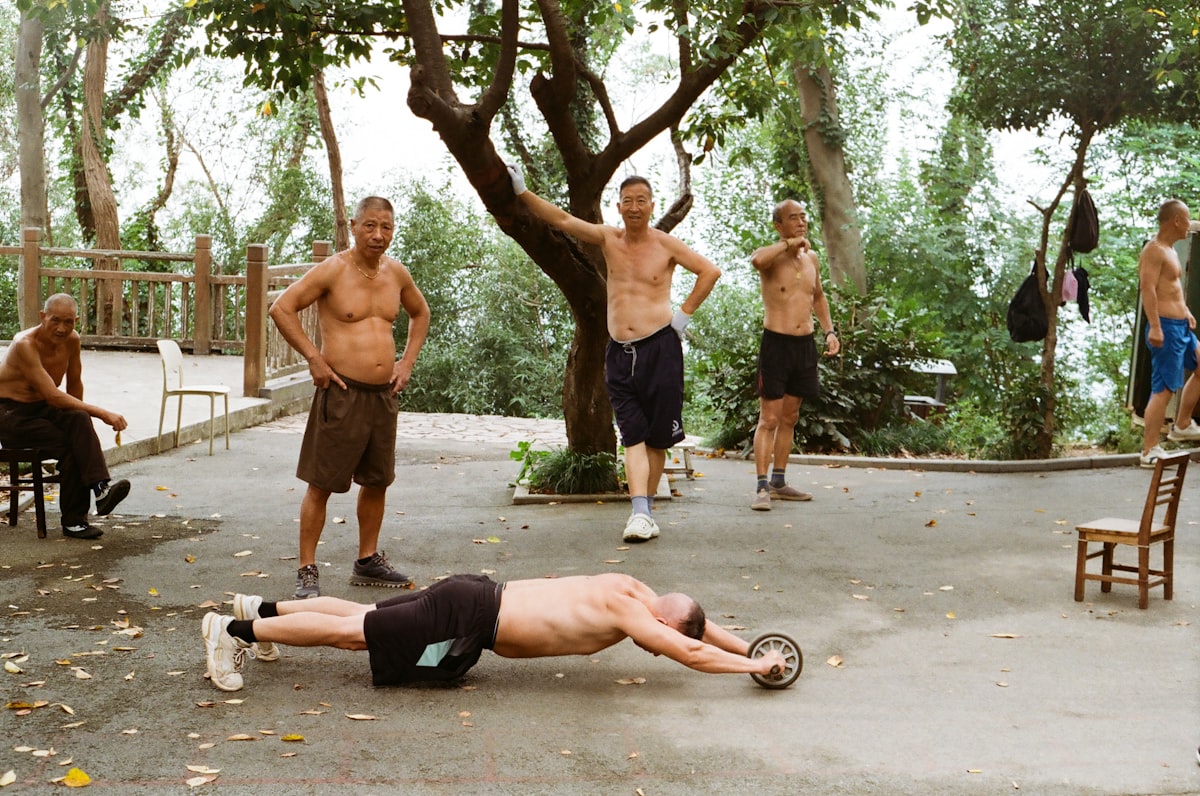
Stretching Routines
Targeted stretching exercises to improve flexibility, reduce muscle tension, and prepare your body for optimal performance.
Yoga for Athletes
Specialised yoga practices that enhance balance, core strength, and mental clarity while supporting post-activity recovery.
Balance & Stability
Exercises to develop proprioception and stability, crucial for injury prevention and enhanced athletic performance.
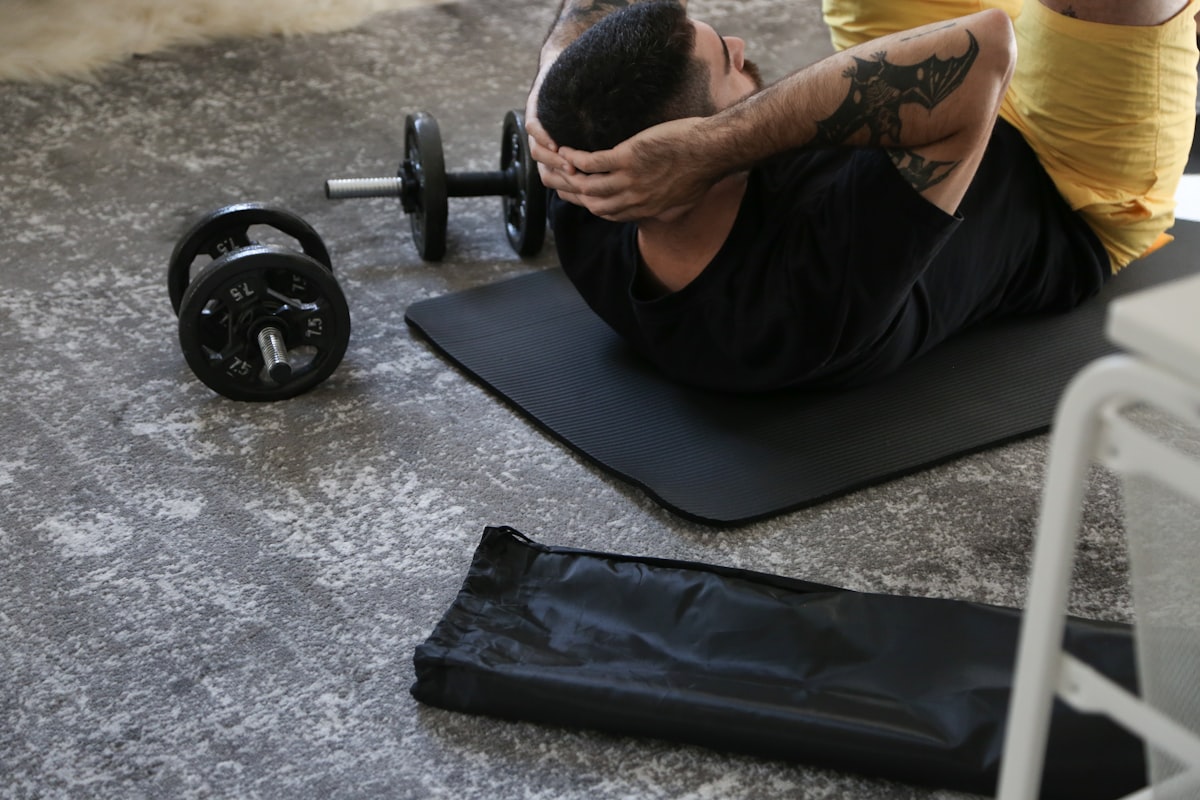
Why Recovery is Essential for Active Men
Active men face unique recovery challenges. Intense training, sports, and physical activity place significant demands on muscles, joints, and connective tissues. Proper recovery isn't passive—it's an active process that accelerates adaptation, reduces injury risk, and maintains peak performance.
Faster Muscle Recovery
Strategic stretching and mobility work enhance blood flow and nutrient delivery to fatigued muscles.
Injury Prevention
Consistent balance and stability work protects against common injuries and supports long-term athletic longevity.
Improved Performance
Enhanced mobility and mental clarity from yoga practices directly translate to better athletic output.
Our Recovery Methodology
A structured approach to optimising your post-activity recovery and enhancing athletic longevity.
Immediate Cool-Down
Begin with gentle, controlled movement to gradually lower heart rate and prevent blood pooling.
Dynamic Stretching
Perform movement-based stretches that increase range of motion and prepare muscles for deeper flexibility work.
Static Stretching
Hold stretches for 30-60 seconds targeting major muscle groups worked during activity.
Balance Training
Develop proprioception and stabiliser muscles through targeted balance exercises and positions.
Restorative Practice
Conclude with gentle yoga or meditation to calm the nervous system and support mental recovery.
Exercise Categories
Explore our comprehensive library of recovery exercises designed for different activity levels and recovery goals.

Beginner Routines
Gentle, accessible exercises perfect for those starting their recovery journey or with limited flexibility.
Explore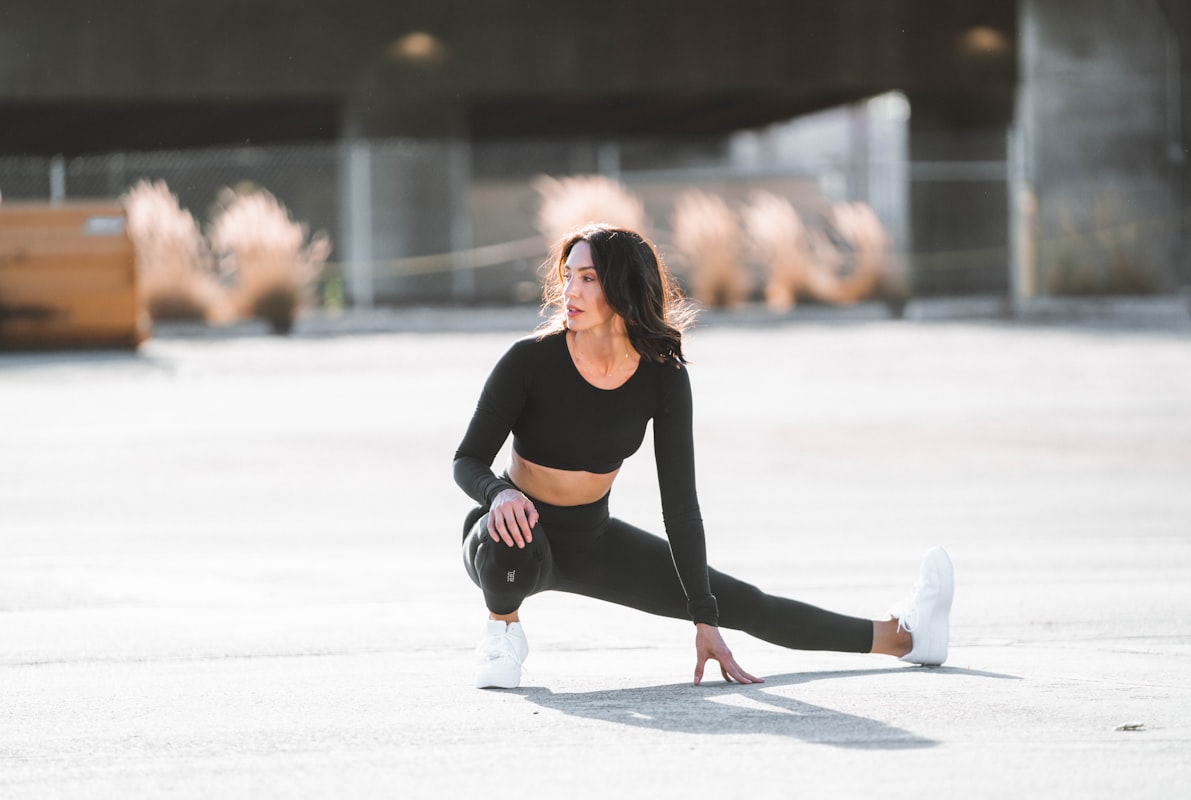
Intermediate Yoga
Balanced yoga sequences combining strength, flexibility, and mental clarity for experienced practitioners.
Explore
Advanced Balance
Challenging stability and proprioception exercises for athletes seeking peak performance and injury resilience.
Explore
Post-Workout Recovery
Targeted stretches and cool-down sequences specifically designed for immediate post-activity recovery.
Explore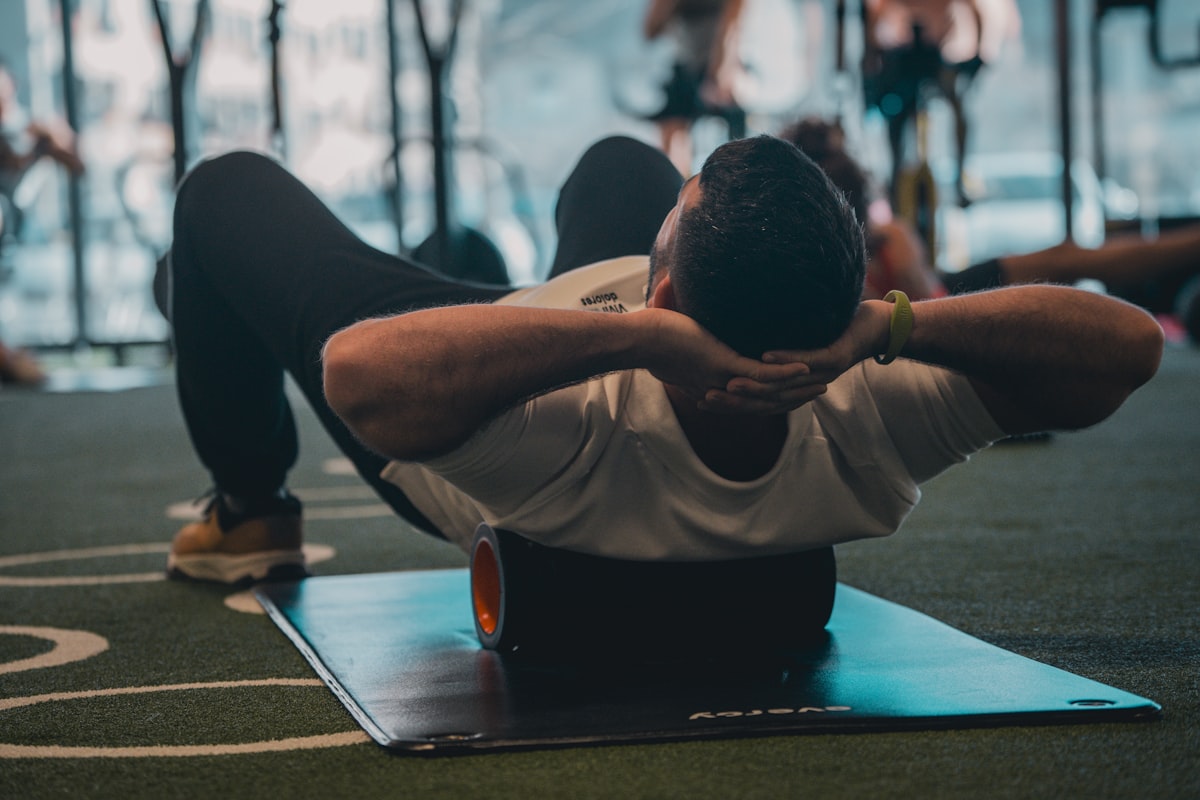
Mobility Exercises
Dynamic and static mobility work to enhance range of motion and joint health across all major areas.
Explore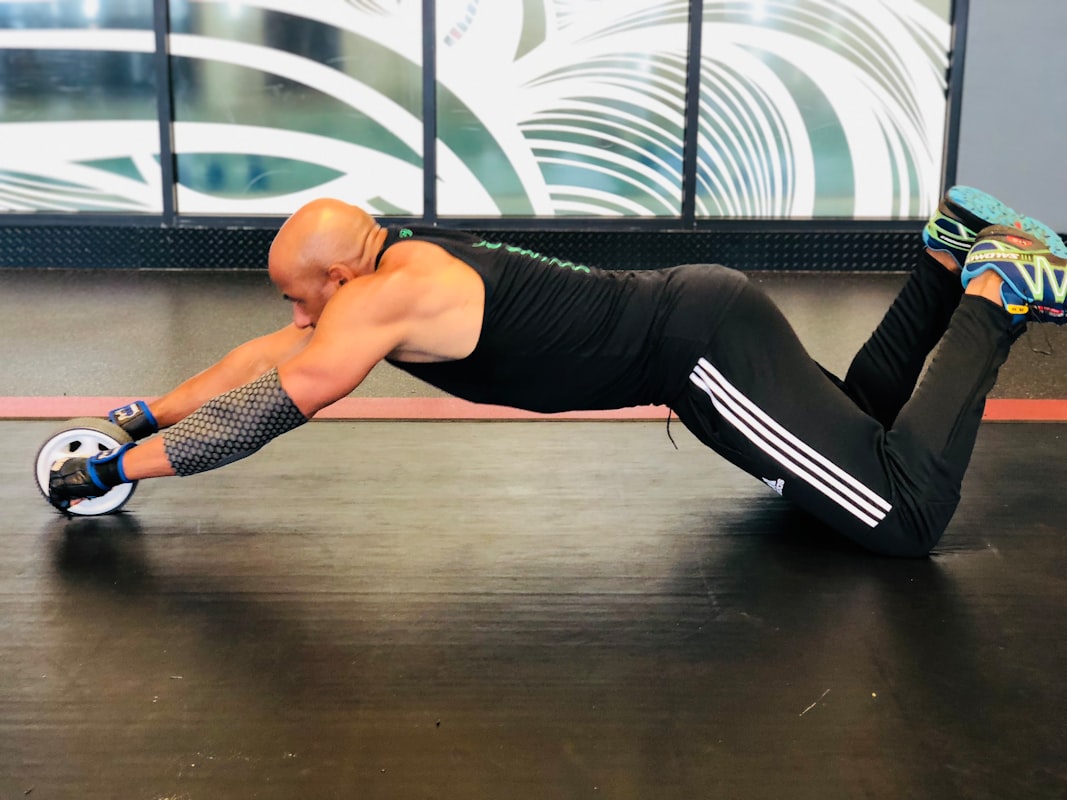
Restorative Practices
Gentle yoga and breathwork sequences that promote nervous system recovery and mental wellbeing.
ExploreFeatured Exercise Demonstrations
Visual guides showing proper form and technique for essential recovery exercises.

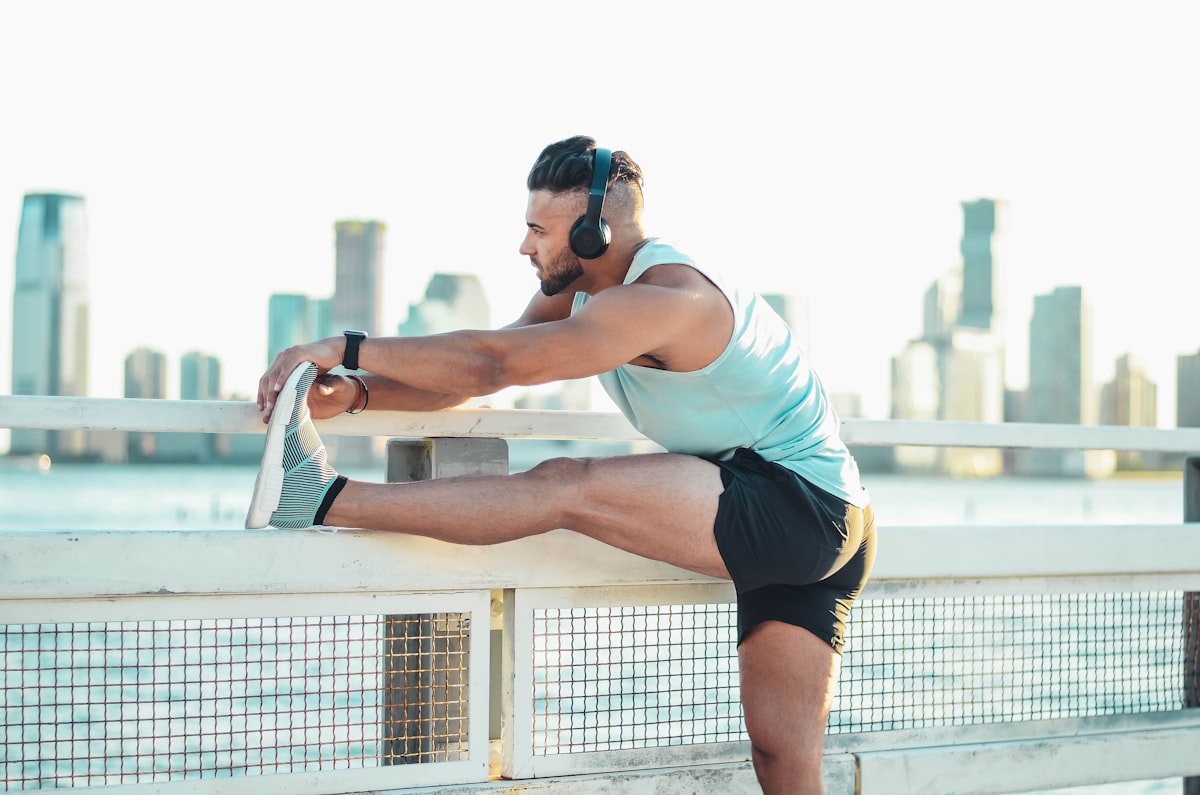
Hamstring Stretch
A fundamental stretch targeting the back of the thighs, essential for runners and cyclists.
Shoulder Mobility Flow
Dynamic shoulder circles and stretches to maintain mobility and reduce tension in the upper body.
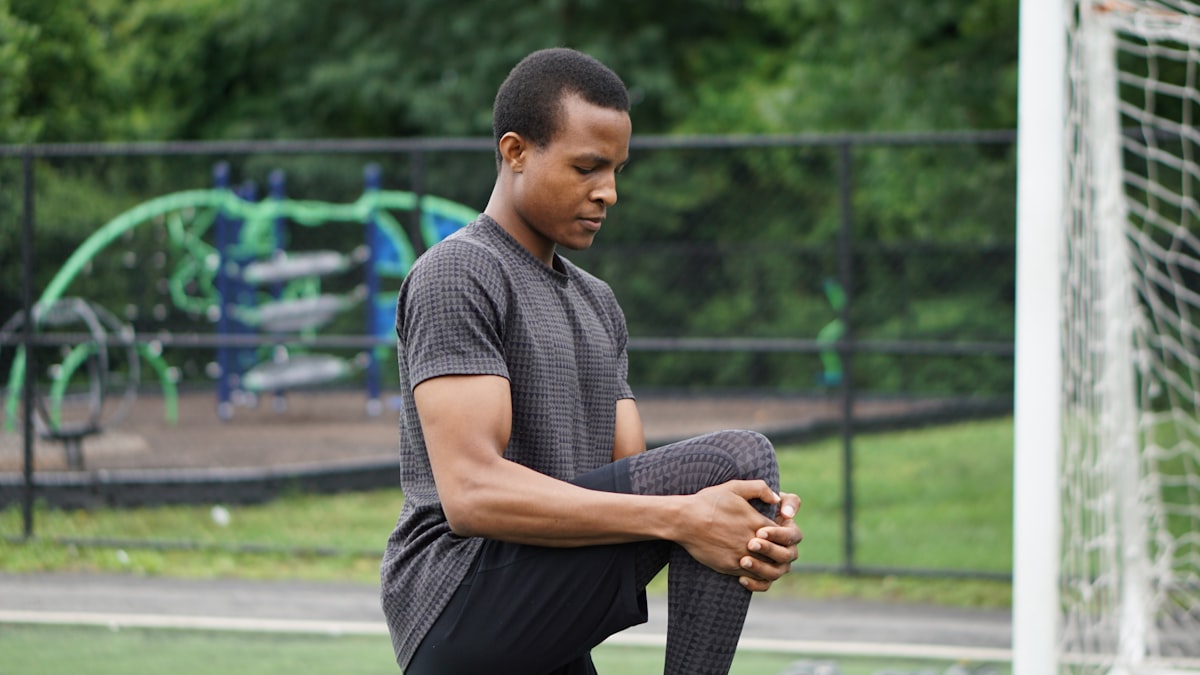
Single-Leg Balance
Develop proprioception and ankle stability with this simple yet challenging balance exercise.
What Our Community Says
Real feedback from active men who have incorporated our recovery exercises into their routines.
"I've been using Stretchyogabalance's recovery exercises for three months now, and the difference in my flexibility and post-workout recovery time has been remarkable. The structured approach from cool-down to restorative practice really works. I recommend it to all my training partners."
James Mitchell
Marathon Runner, Bristol
"As a footballer, I thought I knew about recovery, but these exercises have taken my performance to the next level. My balance is sharper, my injuries have decreased dramatically, and I feel fresher during matches. The balance training section is particularly excellent."
David Chen
Semi-Professional Footballer, Manchester
"I've suffered from chronic back pain from years of weight training. Individual results may vary. These recovery exercises, especially the restorative yoga section, have relieved so much tension. I'm sleeping better and training harder without pain. Highly recommend for anyone serious about long-term athletic health."
Robert Thompson
Strength & Conditioning Coach, London
"The balance training has completely transformed how I feel during my cycling sessions. I'm more stable on the bike, my core is stronger, and I recover faster. The demonstrations are clear and easy to follow. Best investment in my athletic performance."
Michael Torres
Competitive Cyclist, Edinburgh
Frequently Asked Questions
Common questions about recovery exercises, techniques, and how to get the most from our programmes.
How long should recovery sessions last?
Recovery sessions typically range from 15 to 45 minutes depending on intensity and goals. Post-workout recovery usually takes 15-20 minutes, while dedicated recovery days can extend to 30-45 minutes. Start with shorter sessions and gradually increase duration as flexibility and strength improve.
How often should I do recovery exercises?
For active men, recovery exercises should be performed daily, with at least 15-20 minutes dedicated to post-workout routines. On rest days, longer 30-45 minute sessions support deeper recovery. Listen to your body and adjust frequency based on activity level and soreness.
Can I do these exercises with existing injuries?
Many of our exercises are suitable for modified versions when injuries are present. Beginner routines and gentle stretching can often be adapted. However, consult with a healthcare provider or physiotherapist before starting any new exercise programme, especially with current injuries.
What's the difference between static and dynamic stretching?
Dynamic stretches involve controlled movement through a range of motion, ideal for warm-ups. Static stretches hold a position for 30-60 seconds, best performed after activity when muscles are warm. Our methodology uses both: dynamic during cool-down and static during deeper recovery work.
Will these exercises improve my athletic performance?
Yes. By improving flexibility, balance, and proprioception whilst accelerating recovery, our exercises indirectly enhance performance. Better recovery means more consistent training, improved movement patterns, reduced injury risk, and increased power output and endurance.
Do I need any special equipment to get started?
Most exercises require nothing more than your bodyweight and a small amount of floor space. A yoga mat is helpful for comfort during ground-based exercises. Some advanced routines may benefit from a resistance band or stability ball, but these are entirely optional enhancements.
Have more questions?
Send us a messageStay Updated with Recovery Tips
Join our community and receive articles, exercise guides, and recovery insights delivered to your inbox.
We respect your privacy. Unsubscribe at any time.
Ready to Optimise Your Recovery?
Explore our comprehensive library of recovery exercises, detailed demonstrations, and expert guidance. Start your journey to better performance and lasting athletic health today.
Questions? Get in touch with our team
StretchYogaBalance
Transform your body and mind through guided yoga and stretch practices designed for modern living.
Quick Links
Support
© 2024 StretchYogaBalance – VAT: GB978 3532 64. All rights reserved. | Designed with for your wellness.